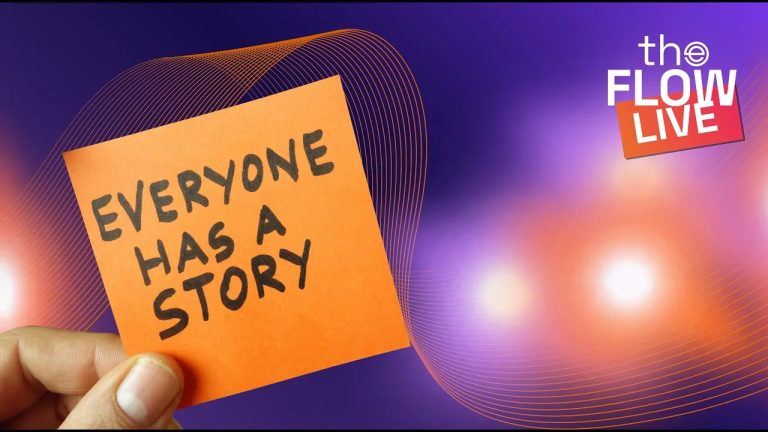
AI can write outlines. It can generate titles, summarize research, and even help draft scripts. But there’s one thing it can’t do: live your life.
That’s why storytelling is becoming more important, not less.
As creators, we’re entering a time when information is abundant. Anyone can ask an AI tool a question and get an answer in seconds. Facts, tips, and tutorials are easier to access than ever before.
What audiences are looking for now isn’t just information. They’re looking for connection.
They’re looking for people they trust. People they relate to. People whose experiences help them better understand their own.
That’s where storytelling comes in.
Why Stories Matter
Think about the podcasts, YouTube channels, and creators you come back to again and again.
Chances are, it’s not because they’re the only ones sharing information on a topic. It’s because they make that information memorable. They make it feel relevant. They help you see yourself in what they’re talking about.
Stories create emotional connection. They give context to ideas. They help people understand not just what happened, but why it mattered.
More importantly, stories help people remember.
You may forget a list of tips from a video. But you’ll remember the creator who shared the embarrassing mistake they made before learning that lesson. You’ll remember the challenge they overcame. You’ll remember how they felt.
That’s what makes stories so powerful.
Storytelling Isn’t Just for Story-Based Content
When people hear the word storytelling, they often think of documentaries, memoirs, or highly produced narrative podcasts. But storytelling shows up everywhere.
A tutorial becomes more engaging when you explain how you discovered the solution you’re teaching.
A business podcast becomes more relatable when you share the mistake that taught you an important lesson.
A livestream becomes more memorable when viewers get to experience the journey alongside you instead of simply hearing the outcome.
Even the most educational content can benefit from storytelling because stories help people connect ideas to real experiences.
Share the Experience, Not Just the Lesson
One of the biggest mistakes creators make is jumping straight to the takeaway. They share the lesson without sharing the journey.
For example, saying “I was nervous before my first livestream” is technically true, but it doesn’t create much of a picture for the audience.
Compare that to explaining that your hands were shaking as you hovered over the Go Live button, wondering if anyone would actually show up.
Now people can feel it.
The details matter because they help your audience step into the moment with you. They transform information into experience. And experience is what people connect with.
Stories Build Trust
Trust has become one of the most valuable currencies on the internet.
Audiences are increasingly skeptical of polished marketing messages and perfectly curated online personas. People want authenticity. They want honesty. They want to know there’s a real human being on the other side of the screen.
That’s why some of the most effective stories aren’t about success at all. They’re about mistakes.
They’re about the livestream that failed, the launch that didn’t go as planned, the interview that fell apart, or the lesson learned the hard way. Those stories show your audience that you’ve been where they are. They create relatability, and relatability builds trust.
Finding the Story Behind Your Show
If you want to become a better storyteller, start with a simple question:
Why does your show exist?
Not what it’s about.
Not who it’s for.
Why does it exist?
Every great show has a story behind it. Maybe it started because you wanted to help people avoid a mistake you made. Maybe it grew out of a hobby you shared with a friend. Maybe it was born from a challenge you were trying to solve in your own life or business.
That foundational story often contains the themes that connect everything else you create. It’s the reason people care.
Your Challenge
This week, spend a few minutes writing down the story behind your show.
What led you to start creating content?
What problem were you trying to solve?
What experience made you realize this mattered?
Don’t worry about making it perfect. Just tell the story. Because in a world where AI can generate content on demand, your experiences remain uniquely yours. And those experiences are often the most valuable thing you have to share.
Want to learn more about Ecamm and how to tell your story via video? Swing over to ecamm.com today.